Brown Wood Texture: The Essential Natural Design Asset
In the world of modern typography and graphic design, we often get caught up in the search for the perfect serif font or the most elegant script font. We spend hours debating sans serif font pairings or analyzing the kerning of a new premium font. But sometimes, the most powerful element in your design toolkit isn't a letterform at all—it's the surface beneath it. Enter the Brown Wood Texture, a versatile and timeless design asset that brings a layer of organic warmth and authenticity that digital assets often lack.
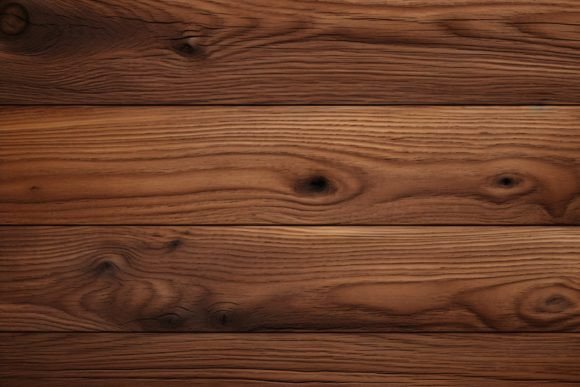
This isn't just a random pattern; it's a carefully crafted wood texture background designed to mimic the rich, intricate details of natural timber. Imagine the subtle grain lines, the gentle knots, and the warm, earthy tones that range from deep mahogany to light oak. This texture offers a tactile quality, a sense of history, and a grounding effect that can transform flat, digital designs into something that feels substantial and real. Whether you're a seasoned designer working on a complex brand identity or a hobbyist diving into a DIY project, understanding how to leverage this texture is key to creating work that resonates.
The Visual Personality: More Than Just a Brown Background
When we talk about a Brown Wood Texture, we're describing a specific visual personality. It’s not a sterile, corporate grey or a stark, clinical white. This texture carries an inherent warmth. It speaks of nature, craftsmanship, durability, and comfort. The visual characteristics—whether it's the pronounced grain of a rustic plank or the smoother, more uniform finish of polished timber—set an immediate tone. It feels honest and reliable, making it an excellent foundation for projects where you want to establish trust and approachability.
The style of this particular wood texture background is designed for high-end use. With a resolution of 3000x2000 pixels and a crisp 300 DPI, it’s built for serious print work and high-definition web graphics. This isn't a low-res image that will pixelate on a banner or look blurry on a business card. It’s a premium font... well, a premium texture, intended to be a reliable workhorse in your library of design assets. Its appeal lies in its versatility; it can feel rustic and traditional, or clean and contemporary, depending on what you pair it with.
Practical Applications: Where This Texture Shines
The real value of a great texture is in its application. This Brown Wood Texture isn't just for looking at; it's for using. Its practical applications span a wide range of creative fields, solving real design problems for professionals and enthusiasts alike.
For Branding and Marketing
Imagine a coffee shop, a craft brewery, a carpentry business, or an artisan bakery. Their brand identity needs to communicate quality, tradition, and a hands-on approach. Using this wood texture background in their logo design presentations, on their menu, or as the foundation for their social media graphics instantly reinforces that message. It adds depth to packaging design, making a product feel more premium and thoughtful. For marketers and entrepreneurs, it’s a shortcut to creating visual materials that feel established and trustworthy without needing a full-scale photoshoot.
For Digital and Editorial Design
In the digital space, texture can break the monotony of flat design. A blogger or publisher can use this texture as a subtle background for a website header, a podcast cover, or an e-book cover to add visual interest. For editorial design, it can serve as a compelling backdrop for pull quotes or chapter title pages, giving a publication a unique, tactile feel even on a screen. It works beautifully for creating wooden text effects, where typography appears carved or burned into the surface—a powerful technique for headers and invitations.
For Print, Stationery, and Crafting
This is where the texture truly excels. The 300 DPI RGB file is perfect for printing. Content creators and crafters will find it invaluable for projects like decoupage, where printing it onto transfer paper allows you to apply the wood grain to furniture, boxes, or trays. It’s ideal for cardmaking, scrapbooking, and designing planner stickers. Small business owners can use it to create unique business cards or banners for craft fairs that stand out from the crowd. The high resolution ensures that even when printed on large surfaces, the detail remains sharp and convincing.
Making It Work: Guidance for Your Projects
So, you've downloaded the Brown Wood Texture. How do you ensure it elevates your project rather than overwhelming it? Here’s some practical guidance from a designer’s perspective.
First, consider your font pairing. A strong, rustic wood texture pairs beautifully with certain typefaces. A classic serif font like Garamond or a sturdy sans serif font like Montserrat can create a clean, readable contrast. For a more thematic approach, a well-chosen script font or handwritten font can evoke a personal, artisanal feel. The key is contrast and hierarchy; let the texture be the background, and ensure your typography has enough clarity and weight to stand above it. Test your text in both light and dark colors against the texture to see what offers the best readability.
Second, evaluate the project fit. Is the goal to convey modern minimalism? If so, use the texture very subtly, perhaps at a low opacity or as a small accent. Is the goal to evoke a cozy, rustic atmosphere? Then lean into it, using the texture more prominently. Think about the overall composition. A busy, high-contrast wood grain might compete with a complex logo, but it could be perfect for a simple, bold headline.
Finally, always consider the commercial aspect. The file details provided—JPG, high resolution, 300 DPI, RGB—indicate it’s ready for both digital and print use. However, for any commercial project, it's a professional best practice to double-check the license. Ensure the asset allows for the specific use you have in mind, whether it's for a client's packaging design, a product for sale on Etsy, or web design elements. Treating your design assets with this level of care is what separates a hobbyist from a professional.
In the end, the Brown Wood Texture